
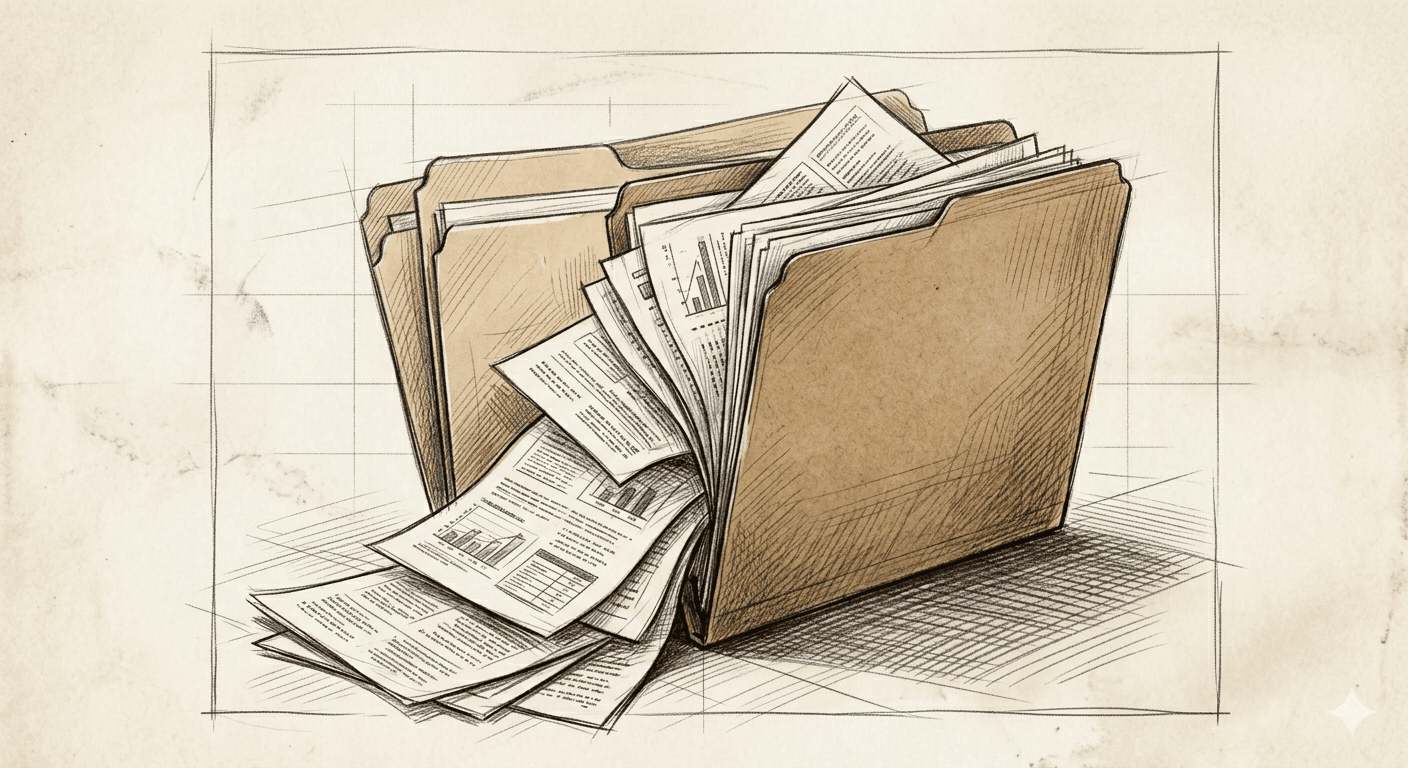
For most of the last decade, due diligence has been the slowest moving part of the deal lifecycle. Junior analysts read; senior bankers interpret; partners adjudicate. The work compounds in stages, and the calendar bends to the rhythm of human reading. That rhythm is now changing — quietly, unevenly, and in ways the league tables will reflect long before the trade press notices.
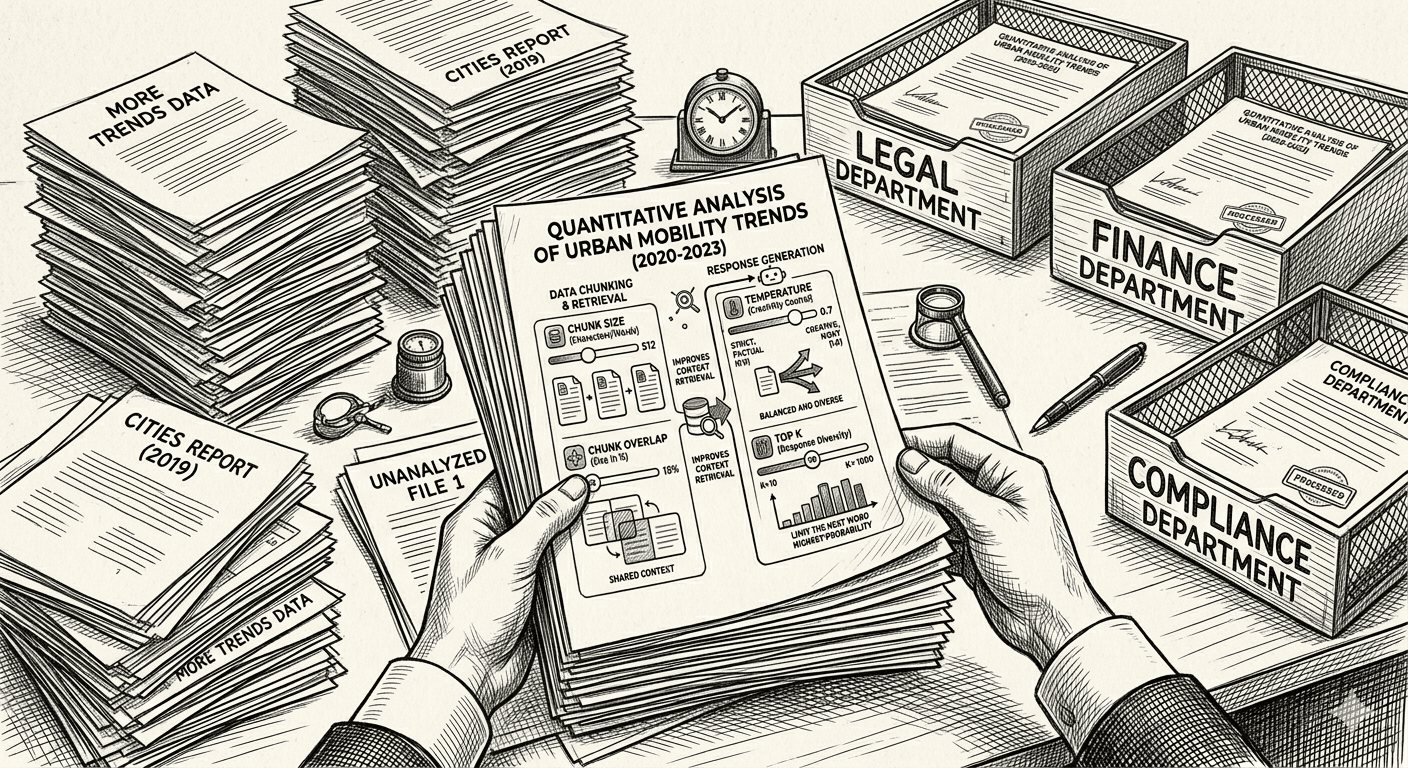
The shift is not that AI is in the data room. It is that the data room itself is becoming legible at the moment of upload. Documents are summarized, cross-referenced, and indexed in seconds. The question that used to mark week three of a process — "what does this thing actually say?" — is now answered before the kickoff call ends. What follows is a different kind of work: less reading, more arguing about findings, more time spent in the parts of diligence that actually carry judgment.
Compression, not replacement
A common misreading of this shift is that it removes work from the analyst. It does not. It moves the analyst earlier in the process. Where a junior used to spend two weeks building familiarity with the company, that familiarity now exists from day one. The same two weeks become time for synthesis, for second-order questions, for the kind of work senior partners always wished their teams had time for. The output is denser, not lighter — and it arrives sooner.
The work that survives compression is the work that always mattered most: judgment, framing, and the willingness to disagree with the deck.
Firms that have adopted these tools earliest report a similar cultural change. Diligence meetings used to be reading sessions in disguise; they are now actually meetings, with positions, dissent, and decisions. Partner time stops being burned on context-setting and starts being used for what it has always been worth.
What is actually different in 2026
Three things separate the firms that have moved early from those still piloting. First, citations: the answers a deal team trusts are answers grounded in source pages, not generated paragraphs. Second, fine-tuning: the model writes in the firm's voice, not a generic register, which means its output can move into memos and decks with editing rather than rewriting. Third, the data is private — single-tenant, never federated — which is a non-negotiable for the firms that hold the most consequential deals.
None of this is exotic. It is the application of disciplined infrastructure to a workflow that has not been rebuilt since the era of the printed CIM. The firms that win the next cycle will not be the ones using the most novel tools. They will be the ones whose junior analysts spent their first weeks doing senior work — because the senior work no longer required reading 4,000 pages to begin.